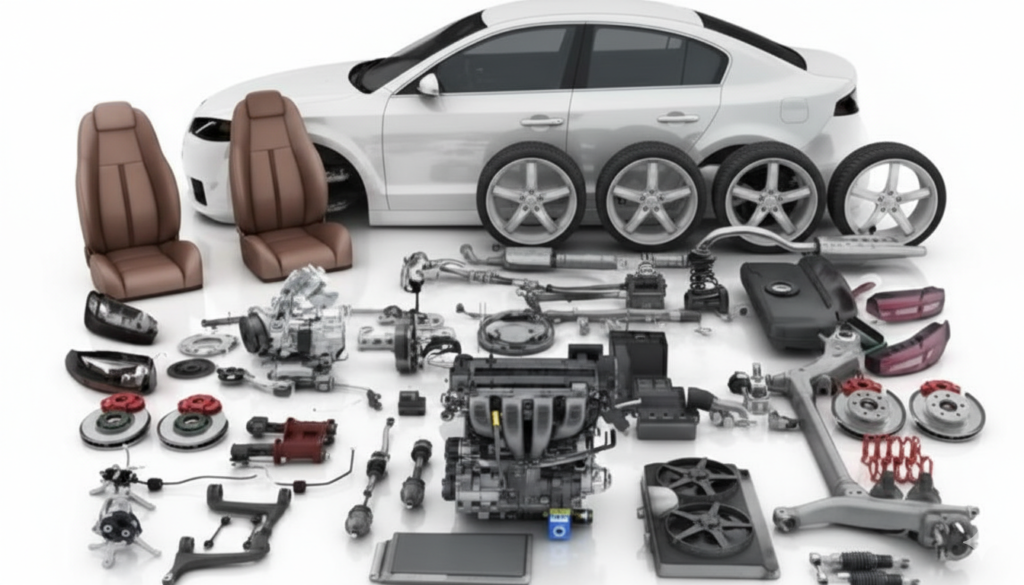
Every vehicle is made up of hundreds of moving parts that work together to ensure smooth and safe driving. Over time, these parts naturally wear out due to regular use, weather conditions, and road quality. Ignoring early warning signs can lead to serious breakdowns, costly repairs, and even safety risks.
Knowing when to replace worn components helps you choose the right car parts at the right time and maintain your vehicle’s overall performance. Many drivers delay replacements until major damage occurs, which often results in higher expenses and unexpected breakdowns.
This guide explains the most common signs that indicate it’s time to upgrade your car parts before problems become severe.
Why Replacing Worn Parts on Time Matters
Driving with damaged or worn components can affect multiple aspects of your vehicle.
Timely replacement helps improve:
-
Road safety
-
Fuel efficiency
-
Engine performance
-
Driving comfort
-
Vehicle resale value
-
Maintenance costs
Replacing parts early prevents chain reactions where one faulty component damages others. This protects both your car and your budget in the long run.
1. Unusual Noises While Driving
Strange sounds are often the first warning sign of worn parts.
Common Noise Types
-
Squealing brakes
-
Grinding suspension
-
Knocking engine sounds
-
Whining belts
-
Clicking steering noises
These sounds usually indicate worn brake pads, damaged bearings, loose belts, or failing engine components. Ignoring them may lead to complete system failure.
Always investigate unusual noises immediately to avoid further damage.
2. Reduced Braking Performance
Weak or inconsistent braking is extremely dangerous and should never be ignored.
Warning Signs
-
Soft or spongy brake pedal
-
Longer stopping distance
-
Steering vibration during braking
-
Burning smell near wheels
-
Brake warning light
These symptoms often mean brake pads, discs, calipers, or brake fluid need replacement. Using the right car parts for braking systems ensures safety and stability on the road.
3. Decreased Fuel Efficiency
If your car starts consuming more fuel than usual, worn parts may be responsible.
Possible Causes
-
Dirty air filter
-
Worn spark plugs
-
Faulty oxygen sensors
-
Old fuel filter
-
Poor combustion system
These components affect how efficiently your engine burns fuel. Replacing them on time helps restore mileage and reduces fuel expenses.
4. Engine Performance Issues
Poor engine response is a major red flag that indicates internal wear.
Signs of Engine Wear
-
Hard starting
-
Engine misfires
-
Loss of power
-
Rough idling
-
Delayed acceleration
These problems are often related to ignition parts, fuel injectors, filters, or airflow systems. Selecting compatible and high-quality components improves engine reliability.
5. Warning Lights on the Dashboard
Modern vehicles are equipped with advanced sensors that monitor performance.
Important Lights to Watch
-
Check engine light
-
Battery warning light
-
Brake system alert
-
Oil pressure light
-
Temperature warning light
These lights indicate that one or more parts require inspection or replacement. Ignoring them may lead to severe engine or system damage.
A professional diagnosis helps identify the exact component that needs attention.
6. Excessive Vibrations While Driving
Unusual vibrations reduce driving comfort and signal mechanical problems.
Common Causes
-
Worn suspension components
-
Damaged tyres
-
Bent wheels
-
Loose steering parts
-
Failing engine mounts
These issues affect vehicle balance and control. Replacing worn suspension and steering parts improves handling and ride quality.
7. Fluid Leaks Under the Vehicle
Fluid leaks are clear signs of failing seals, hoses, or internal parts.
Common Leaks
| Color | Possible Source |
|---|---|
| Black | Engine oil |
| Green | Coolant |
| Red | Transmission fluid |
| Yellow | Brake fluid |
Leaks should be addressed immediately. Low fluid levels can cause overheating, brake failure, or engine damage.
Using genuine seals and hoses helps prevent repeated leakage.
8. Difficulty Starting the Vehicle
Starting problems usually relate to electrical or fuel systems.
Possible Reasons
-
Weak battery
-
Faulty starter motor
-
Worn ignition components
-
Fuel pump issues
-
Corroded terminals
Repeated starting problems indicate worn electrical parts. Replacing them ensures reliable daily operation and prevents roadside breakdowns.
How Often Should You Replace Car Parts?
Each component has a recommended lifespan. Following maintenance schedules helps you choose the right car parts on time.
| Part | Average Lifespan |
|---|---|
| Brake Pads | 40k–60k km |
| Battery | 3–5 years |
| Air Filter | 15k–20k km |
| Spark Plugs | 40k–80k km |
Regular inspections help detect wear before major failure occurs.
Why Quality Replacement Parts Matter
Low-quality parts may seem affordable but usually fail quickly. This results in repeated repairs and higher long-term costs.
Benefits of Quality Parts
-
Better durability
-
Improved safety
-
Stable performance
-
Lower repair frequency
-
Longer service life
Choosing trusted suppliers ensures you receive reliable products that match your vehicle specifications.
Tips for Choosing the Right Replacement Parts
Follow these simple steps to avoid mistakes:
-
Check your vehicle manual
-
Verify part numbers
-
Use VIN for compatibility
-
Compare trusted brands
-
Read customer reviews
-
Ask for professional advice
-
Confirm warranty coverage
These steps help you select the right car parts that offer long-term value.
Final Thoughts
Recognizing early warning signs allows you to replace worn components before they cause serious damage. Regular inspection, timely maintenance, and informed purchasing decisions help protect your vehicle and your finances.
By choosing compatible and high-quality parts, you improve safety, performance, and reliability. Working with professional auto parts services ensures accurate fitment and long-term peace of mind.
Preventive maintenance is always cheaper than emergency repairs.
Call to Action
Need help identifying worn parts or choosing the right replacements? Visit our services page today for expert inspection, genuine components, and professional support at competitive prices.
Our experienced team will help you find the right car parts for your vehicle with confidence.
Contact us now for reliable car parts solutions and trusted service.