
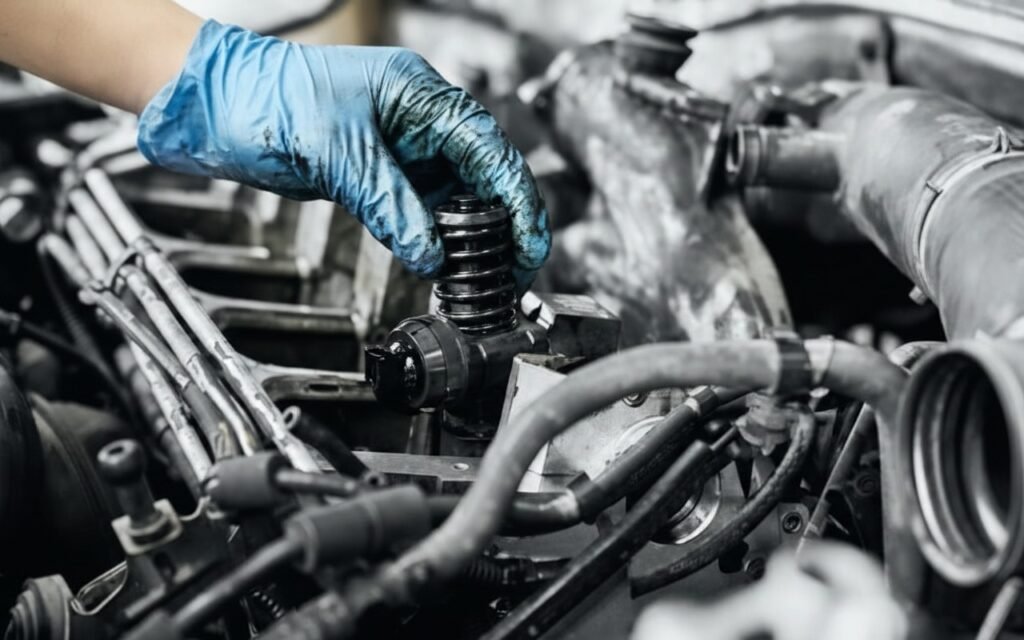
Your car’s engine is the heart of your vehicle. Without proper care, even a powerful engine can lose efficiency, consume more fuel, and suffer expensive breakdowns. Many drivers underestimate the importance of routine maintenance and the role of using the right car parts in protecting engine performance.
Regular servicing and timely replacement of worn components can significantly extend engine life. Choosing compatible and high-quality parts ensures smooth operation and reduces long-term repair costs. In this guide, we will explore nine essential maintenance tips that help you protect your engine and keep it running at peak performance.
Whether you use your car daily for work or occasional travel, following these tips will help you avoid unnecessary breakdowns and costly repairs.
Why Engine Maintenance Matters
Proper engine maintenance offers several long-term benefits:
-
Improves fuel efficiency
-
Reduces breakdown risk
-
Enhances driving performance
-
Extends vehicle lifespan
-
Maintains resale value
Using low-quality or incompatible components may cause internal damage and reduce engine reliability. That is why selecting the right car parts is essential for long-term engine health.
1. Change Engine Oil Regularly
Engine oil lubricates moving parts and reduces friction. Over time, oil becomes dirty and loses its effectiveness.
Benefits of Regular Oil Changes
-
Prevents overheating
-
Reduces internal wear
-
Removes sludge and debris
-
Improves engine efficiency
Always use manufacturer-recommended oil and filters. Pairing quality oil with the right car parts ensures maximum protection.
2. Replace Air Filters on Time
Clean air is necessary for proper combustion. A clogged air filter restricts airflow and reduces engine power.
Advantages of Clean Air Filters
-
Better fuel economy
-
Smoother acceleration
-
Reduced emissions
-
Longer engine life
Replacing air filters regularly is an affordable way to improve performance and protect internal components.
3. Maintain Cooling System Properly
Overheating is one of the main causes of engine failure. Your cooling system prevents excessive temperature buildup.
Important Cooling Components
-
Radiator
-
Coolant hoses
-
Thermostat
-
Water pump
Check coolant levels and replace damaged parts using compatible components. Using the right car parts helps maintain proper engine temperature.
4. Inspect and Replace Spark Plugs
Spark plugs ignite the air-fuel mixture in the engine. Worn plugs cause misfires and power loss.
Signs of Worn Spark Plugs
-
Rough idling
-
Poor acceleration
-
Increased fuel consumption
-
Engine hesitation
Upgrading spark plugs improves combustion and reduces strain on other engine parts.
5. Use Quality Fuel and Filters
Fuel quality directly impacts engine performance. Dirty fuel can clog injectors and damage components.
Benefits of Clean Fuel System
-
Smooth engine operation
-
Better throttle response
-
Reduced emissions
-
Improved fuel economy
Replace fuel filters regularly and use recommended fuel types for best results.
6. Monitor Belts and Hoses
Belts and hoses control vital systems such as cooling, charging, and power steering.
Common Problems
-
Cracks
-
Leaks
-
Slippage
-
Hardening
Replacing worn belts and hoses with the right car parts prevents sudden breakdowns and costly damage.
7. Keep Sensors and Electronics Functional
Modern engines rely on sensors for fuel management and emissions control.
Key Sensors to Monitor
-
Oxygen sensor
-
Mass airflow sensor
-
Temperature sensor
-
Crankshaft sensor
Faulty sensors lead to poor performance and higher fuel consumption. Always use certified replacement parts.
8. Maintain Proper Engine Timing
Engine timing controls valve and piston movement. Incorrect timing can severely damage the engine.
Components Involved
-
Timing belt
-
Timing chain
-
Tensioners
-
Guides
Replacing timing components on schedule with compatible parts protects your engine from catastrophic failure.
9. Schedule Regular Professional Inspections
DIY maintenance is useful, but professional inspections detect hidden issues early.
Benefits of Professional Servicing
-
Accurate diagnostics
-
Expert recommendations
-
Warranty protection
-
Long-term reliability
Professional mechanics ensure the right car parts are installed correctly for maximum safety.
Maintenance Schedule Overview
| Component | Recommended Interval |
|---|---|
| Engine Oil | 5,000–10,000 km |
| Air Filter | 15,000–20,000 km |
| Spark Plugs | 40,000–80,000 km |
| Coolant | 2–3 years |
| Timing Belt | 80,000–120,000 km |
| Fuel Filter | 30,000–50,000 km |
Following this schedule reduces engine stress and improves reliability.
Hidden Benefits of Using the Right Car Parts
Investing in quality parts offers additional advantages:
-
Fewer repeat repairs
-
Lower maintenance costs
-
Better warranty support
-
Improved resale value
-
Peace of mind
Using cheap alternatives may save money initially but increases long-term expenses.
Frequently Asked Questions (FAQ)
1. How often should I service my engine?
Most vehicles require servicing every 5,000 to 10,000 km. Follow your manufacturer’s maintenance schedule for best results.
2. Can low-quality parts damage my engine?
Yes. Poor-quality parts may fail early, cause leaks, and damage internal components, leading to expensive repairs.
3. Is professional installation necessary?
For complex parts such as timing belts and sensors, professional installation is highly recommended to avoid errors.
4. How do I know which parts fit my vehicle?
Check your vehicle’s make, model, and year, or consult a trusted auto parts supplier for accurate recommendations.
5. Do quality parts really improve fuel efficiency?
Yes. Clean filters, good spark plugs, and functional sensors improve combustion and reduce fuel wastage.
Final Thoughts
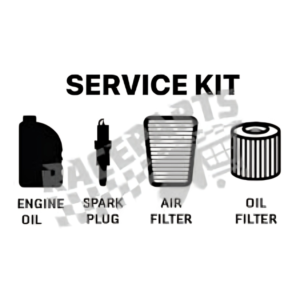
Protecting your engine requires consistent care, timely replacements, and smart purchasing decisions. Simple habits like changing oil, replacing filters, and monitoring cooling systems can prevent major mechanical failures.
Using the right car parts ensures compatibility, durability, and long-term performance. Regular maintenance not only saves money but also improves driving comfort and safety.
A well-maintained engine means fewer breakdowns, lower fuel costs, and higher resale value.
Call to Action
Want to protect your engine with reliable and affordable components?
Visit our services page today to explore premium right car parts for your vehicle. Our experts will help you choose the best products for long-lasting performance and engine safety.
Contact us now and keep your engine running like new.