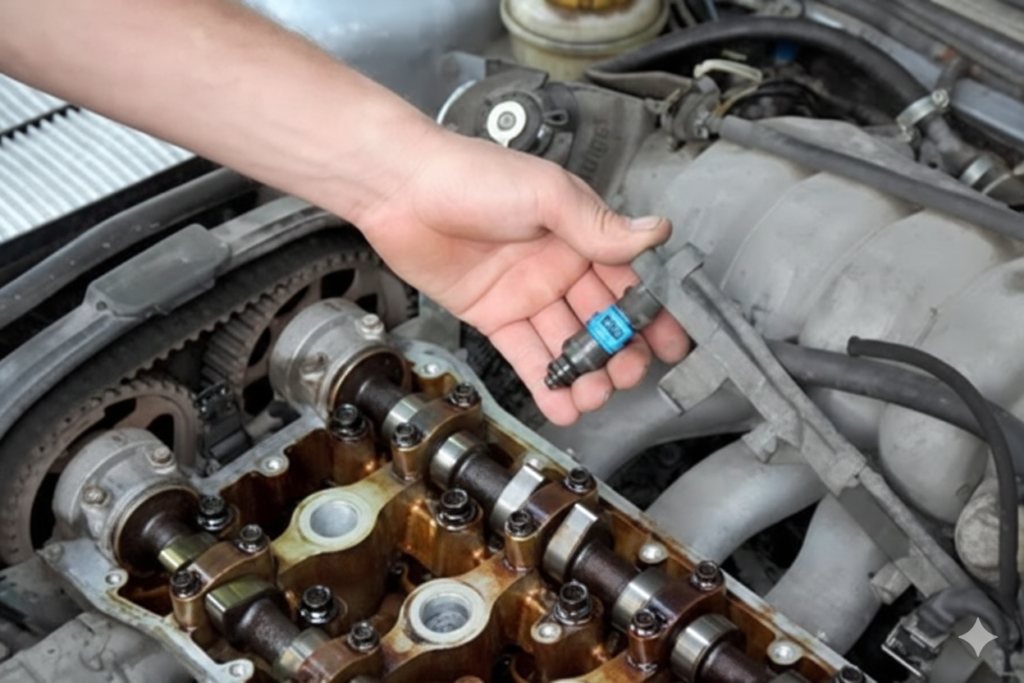
Fuel efficiency is one of the most important concerns for modern car owners. Rising fuel prices and increased environmental awareness have made drivers more conscious about how much fuel their vehicles consume. While driving habits play a major role, many people overlook the impact of engine components on fuel efficiency.
Every part of your engine works together to produce power and manage fuel consumption. When even one component is worn, dirty, or faulty, it can force your engine to work harder and burn more fuel. Using and maintaining the right car parts helps improve combustion, reduce wastage, and increase mileage.
In this guide, we will explain how different engine components affect fuel efficiency and how proper maintenance can help you save money in the long run.
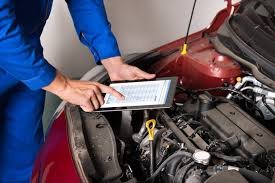
Why Fuel Efficiency Depends on Engine Health
Your engine converts fuel into energy through a controlled combustion process. For this process to remain efficient, all parts must function properly.
When engine components are neglected:
-
Fuel burns incompletely
-
Power output decreases
-
Emissions increase
-
Mileage drops
-
Maintenance costs rise
Maintaining high-quality and compatible parts ensures smooth performance and better fuel economy.
1. Air Filter and Fuel Efficiency
The air filter controls the amount of clean air entering the engine. Air is essential for proper fuel combustion.
How It Affects Mileage
A clogged air filter reduces airflow, which disrupts the air-fuel ratio. This leads to inefficient burning and higher fuel consumption.
Benefits of a Clean Air Filter
-
Improved airflow
-
Better combustion
-
Increased mileage
-
Reduced engine strain
Replacing air filters regularly is one of the easiest ways to improve fuel efficiency.
2. Spark Plugs and Combustion Efficiency
Spark plugs ignite spark fuel mixture inside the engine. If they are worn or dirty, combustion becomes weak.
Impact on Fuel Consumption
Faulty spark plugs cause misfires, rough idling, and delayed ignition. This forces the engine to use more fuel to generate power.
Advantages of Good Spark Plugs
-
Smooth engine start
-
Better acceleration
-
Reduced fuel wastage
-
Stable engine performance
Using quality spark plugs ensures complete fuel burning.
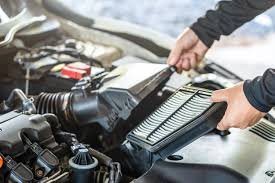
3. Fuel Injectors and Fuel Delivery
Fuel injectors spray fuel into the combustion chamber in precise amounts.
Problems Caused by Dirty Injectors
-
Uneven fuel spray
-
Poor throttle response
-
Increased emissions
-
Higher fuel usage
Benefits of Clean Injectors
-
Accurate fuel delivery
-
Improved combustion
-
Better engine response
-
Lower fuel consumption
Regular cleaning or replacement improves efficiency.
4. Engine Oil and Internal Friction
Engine oil lubricates moving parts and reduces friction. Old or low-quality oil increases resistance inside the engine.
How Oil Affects Mileage
When friction increases, the engine needs more power to operate, which means more fuel is burned.
Benefits of Quality Oil
-
Reduced engine resistance
-
Better heat control
-
Improved fuel economy
-
Longer engine life
Always use manufacturer-recommended oil with proper filters.
5. Oxygen Sensors and Fuel Management
Oxygen sensors measure the amount of oxygen in exhaust gases. They help regulate the air-fuel mixture.
Impact on Efficiency
A faulty oxygen sensor sends incorrect data to the engine computer, causing excess fuel injection.
Advantages of Functional Sensors
-
Balanced fuel-air ratio
-
Lower emissions
-
Better mileage
-
Stable engine performance
Replacing damaged sensors improves fuel control.
6. Exhaust System and Engine Breathing
The exhaust system removes burned gases from the engine. Blocked or damaged components restrict airflow.
How It Affects Fuel Economy
Poor exhaust flow increases back pressure, making the engine work harder and consume more fuel.
Benefits of a Healthy Exhaust System
-
Smooth gas flow
-
Better engine breathing
-
Increased power
-
Improved mileage
Maintaining exhaust parts helps preserve efficiency.
7. Cooling System and Engine Temperature
Engines are designed to operate at specific temperatures. Overheating or overcooling reduces efficiency.
Fuel Efficiency Issues
If the engine runs too hot or too cold, fuel does not burn properly, leading to wastage.
Key Cooling Components
-
Radiator
-
Coolant
-
Thermostat
-
Water pump
Maintaining these parts ensures optimal combustion.
Comparison: Engine Components and Fuel Impact
| Component | Effect on Fuel Efficiency | Maintenance Priority |
|---|---|---|
| Air Filter | High | High |
| Spark Plugs | High | Medium |
| Fuel Injectors | High | High |
| Engine Oil | Medium | High |
| Oxygen Sensor | High | Medium |
| Exhaust System | Medium | Medium |
| Cooling System | Medium | High |
This table shows which parts need priority for better mileage.
How to Improve Fuel Efficiency Through Maintenance
To maximize mileage, follow these steps:
-
Replace filters and spark plugs on time
-
Use recommended engine oil
-
Clean fuel injectors regularly
-
Monitor warning lights
-
Use compatible replacement parts
-
Schedule professional inspections
These habits help maintain engine balance and reduce fuel costs.
Hidden Benefits of Maintaining Engine Components
Good engine maintenance offers more than just fuel savings:
-
Fewer breakdowns
-
Lower repair expenses
-
Improved resale value
-
Better driving comfort
-
Reduced environmental impact
Investing in the right car parts today prevents major expenses tomorrow.
Frequently Asked Questions
1. Which engine part affects fuel efficiency the most?
Air filters, spark plugs, and fuel injectors have the highest impact on fuel consumption.
2. Can poor maintenance really increase fuel costs?
Yes. Dirty or worn parts can increase fuel usage by 10–25% over time.
3. How often should I service my engine for better mileage?
Basic servicing is recommended every 5,000 to 10,000 km, depending on usage.
4. Does using cheap parts reduce fuel efficiency?
Low-quality parts often fail early and reduce combustion efficiency, increasing fuel consumption.
5. Can professional servicing improve mileage?
Yes. Professional inspections detect hidden issues and restore optimal performance.
Final Thoughts
Fuel efficiency depends heavily on how well your engine components function. From air filters and spark plugs to sensors and cooling systems, every part plays a role in controlling fuel consumption.
Neglecting even small components can lead to higher fuel costs and reduced performance. Regular maintenance and using the right car parts ensure smooth combustion, better mileage, and long-term reliability.
A well-maintained engine saves money, protects the environment, and enhances driving satisfaction.
Call to Action
Visit our services page today to explore premium right car parts for your vehicle. Our experts will help you choose the best parts for maximum mileage and long-term performance.
Contact us now and start saving on fuel today