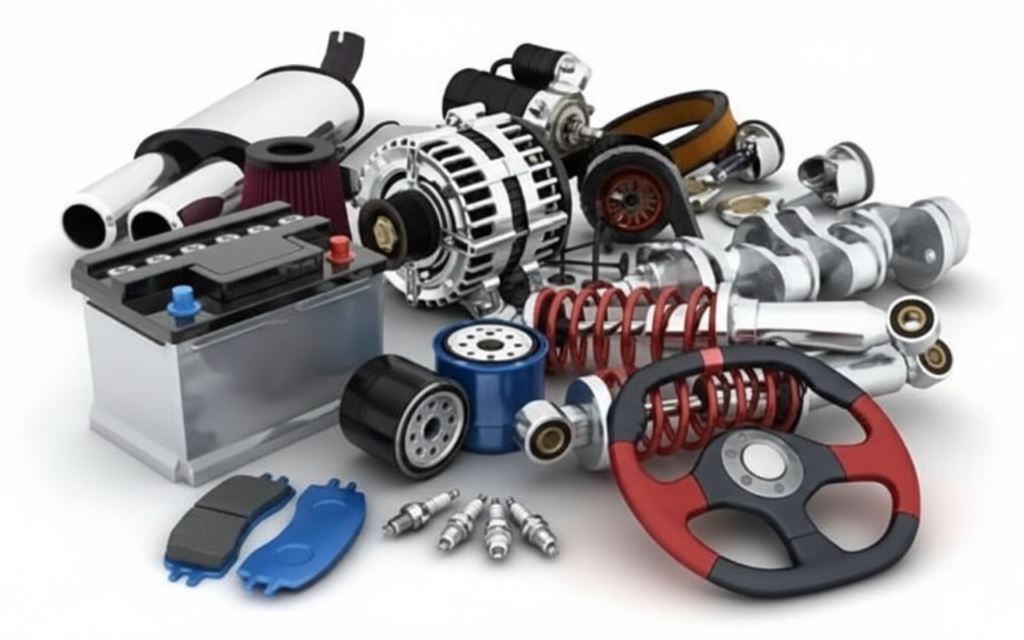
Choosing the right car parts for your vehicle is one of the most important decisions every car owner must make. Whether you are replacing worn components, upgrading performance, or carrying out routine maintenance, using the correct parts ensures safety, durability, and smooth driving.
Many drivers make costly mistakes by buying incompatible or low-quality parts. These errors can lead to engine damage, brake failure, or reduced fuel efficiency. This guide will help you understand how to select the right car parts based on your vehicle type, driving habits, and budget.
By following these expert tips, you can protect your investment and improve your car’s long-term performance.
Why Choosing the Right Car Parts Matters
Using incorrect parts can cause serious problems. Here are the main reasons why selecting the right components is essential:
-
Improves vehicle safety
-
Enhances engine performance
-
Reduces maintenance costs
-
Increases fuel efficiency
-
Extends vehicle lifespan
-
Prevents frequent breakdowns
High-quality and compatible parts allow your car to operate exactly as the manufacturer intended.
Understand Your Vehicle Specifications
Before purchasing any part, you must know your car’s basic details:
Important Information to Check
-
Make and model
-
Manufacturing year
-
Engine type
-
Transmission system
-
VIN (Vehicle Identification Number)
The VIN helps suppliers identify the exact specifications of your car. This ensures you receive parts that fit perfectly.
Identify the Part You Need
Many car components look similar but perform different functions. Always confirm the exact part before buying.
Common Categories of Car Parts
| Category | Examples | Purpose |
|---|---|---|
| Engine Parts | Spark plugs, filters | Power generation |
| Brake Parts | Pads, discs | Stopping control |
| Electrical Parts | Sensors, bulbs | System monitoring |
| Suspension | Shocks, arms | Ride comfort |
| Cooling Parts | Radiator, thermostat | Temperature control |
Understanding these categories helps you avoid confusion while shopping.
Check Compatibility Before Buying
Compatibility is the most important factor when selecting the right car parts.
Ways to Verify Compatibility
-
Match OEM part numbers
-
Use online compatibility tools
-
Consult vehicle manuals
-
Ask professional suppliers
-
Cross-check VIN data
Never rely only on visual similarity. Even small differences can affect performance.
Choose Between Genuine and Quality Alternatives
Not all car parts are the same. You can choose from different quality levels.
Types of Car Parts
-
Genuine/OEM parts
-
Certified aftermarket parts
-
Performance upgrades
-
Economy replacements
While genuine parts offer reliability, premium aftermarket parts often provide good value for money when sourced from trusted suppliers.
Consider Your Driving Conditions
Your driving environment plays a major role in part selection.
Factors That Affect Part Choice
-
Urban vs highway driving
-
Weather conditions
-
Road quality
-
Load carrying
-
Driving style
For example, vehicles driven on rough roads need stronger suspension and brake components.
Balance Price and Quality
Cheap parts may seem attractive but often cost more in the long run.
Smart Buying Tips
-
Compare multiple suppliers
-
Read customer reviews
-
Check warranty coverage
-
Avoid unknown brands
-
Focus on durability
Investing in reliable parts reduces frequent replacements and repair expenses.
Use Professional Guidance When Needed
Many drivers struggle with technical specifications. Professional advice can prevent mistakes.
Benefits of Expert Support:
-
Accurate part matching
-
Installation guidance
-
Warranty support
-
After-sales service
-
Time savings
Reliable auto parts suppliers often provide free consultation to help customers choose correctly.
Maintenance and Replacement Schedule
Knowing when to replace parts is equally important.
Typical Replacement Intervals
| Part | Average Lifespan |
|---|---|
| Brake Pads | 40,000–60,000 km |
| Battery | 3–5 years |
| Air Filter | 15,000–20,000 km |
| Spark Plugs | 40,000–80,000 km |
Following these timelines helps maintain peak vehicle performance.
Where to Buy the Right Car Parts
Always choose reputable suppliers who provide:
-
Genuine products
-
Proper documentation
-
Warranty coverage
-
Technical support
-
Easy returns
A reliable local auto parts store ensures peace of mind and long-term value.
Frequently Asked Questions (FAQs)
1. How do I know if I am buying the right car parts for my vehicle?
You can confirm by checking your vehicle’s VIN number, owner’s manual, and OEM part number. Consulting a professional auto parts supplier also helps ensure accurate fitment.
2. Are cheaper right car parts reliable?
Some affordable parts are reliable if they come from trusted brands. However, extremely low-priced parts often lack durability and may require frequent replacement.
3. Can I install car parts myself?
Basic parts such as batteries, air filters, and wiper blades can be installed at home. For complex components like brakes and engine parts, professional installation is recommended.
4. How often should I replace major car parts?
Replacement depends on driving habits and conditions. Brake pads usually last 40,000–60,000 km, while batteries last around 3–5 years.
5. Where should I buy reliable car parts?
It is best to buy from authorized dealers or reputable auto parts stores that offer warranty, technical support, and genuine products.
Call to Action (CTA)
If you need help finding compatible, high-quality parts for your vehicle, visit our services page or contact our expert team today.
We provide genuine parts, professional guidance, and reliable support to keep your car running safely and efficiently.
Get expert assistance and order your car parts with confidence today.
Final Thoughts
Selecting the right car parts requires research, awareness, and careful decision-making. By understanding your vehicle’s needs, checking compatibility, and working with trusted suppliers, you can avoid unnecessary repairs and enjoy smooth driving.
If you are unsure about compatibility or quality, professional auto parts services can help you find the perfect match for your vehicle while saving time and money.